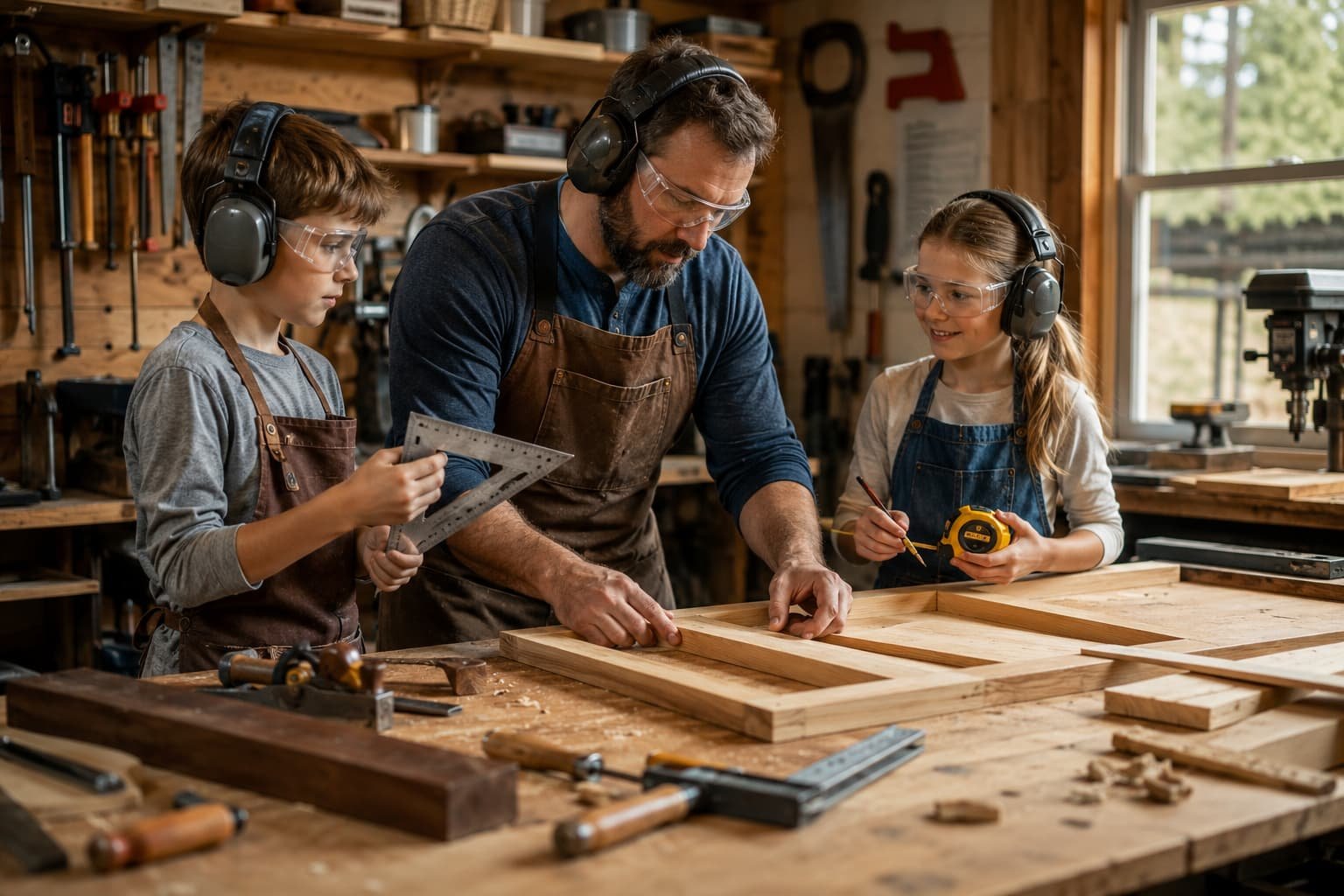
Work is one of the most important lessons children can learn, not because they need to become productive at an early age, but because work teaches essential life skills that shape character. The habits children develop at home influence how they approach school, relationships, careers, and challenges throughout life. Learning to complete responsibilities, contribute to the family, and take pride in a job well done helps children build confidence, independence, and a strong work ethic.
Why Teaching Kids the Value of Work Matters
As we celebrate Labor Day, it is a meaningful opportunity to teach children and teens that work is not something to avoid. Work provides dignity, purpose, achievement, and satisfaction. In a world where convenience is everywhere, children still need opportunities to experience effort, patience, and responsibility. Understanding that success requires effort, challenges create growth, and accomplishments feel more meaningful when earned helps children develop commitment and resilience.
Start Small: Building Responsibility Through Everyday Tasks
Teaching responsibility begins with small steps. Before children help others, they should learn to take ownership of their own needs by making their beds, organizing their belongings, caring for personal items, and completing everyday tasks. These simple responsibilities send an important message that they are capable and can contribute. As children grow, age-appropriate chores such as helping with meals, caring for pets, folding laundry, or assisting with household tasks teach teamwork and show them that their efforts make a difference.
The Dignity of Work: Teaching Respect and Gratitude
One of the greatest lessons children can learn is the dignity of work. Every honest job has value, regardless of status or recognition. Helping children appreciate teachers, healthcare workers, farmers, maintenance workers, drivers, and community members who serve others teaches gratitude and respect. When children understand that every contribution matters, they develop a deeper appreciation for the people and efforts that make communities stronger.
The Reward of Hard Work: Confidence and Satisfaction
Rewards can encourage children as they learn new responsibilities, but the greatest reward comes from the satisfaction of accomplishment. Completing a difficult task, helping someone else, or finishing something they worked hard on builds pride, confidence, and self-respect. Learning to work hard without constant complaining also develops perseverance. While not every task is enjoyable, children can learn that effort, patience, and doing their best are valuable parts of personal growth.
Preparing Teens for the Future Through Responsibility
For teenagers, responsibility becomes even more important as they prepare for adulthood. Managing schoolwork, volunteering, learning practical skills, participating in family responsibilities, or having a part-time job helps develop time management, accountability, teamwork, problem-solving, and reliability. These experiences prepare teens for future careers and life beyond the classroom.
Labor Day is more than a day off from school or work. It is a chance for families to celebrate the value of effort and recognize the contributions of workers everywhere. By teaching children to take responsibility, appreciate hard work, and find satisfaction in helping others, parents can raise capable, compassionate, and resilient individuals. The goal is not simply to teach children to work harder, but to help them understand that meaningful work builds character and gives life purpose.