

Back to School, Back to Connection: Staying Close to Your Kids at Every Age
- Home
- Back to School, Back to Connection: Staying Close to Your Kids at Every Age

Every August (or September, depending where you live), the same reset happens: new backpacks, new schedules, new teachers, new roommates. It’s easy to think of school reopening as a logistics event — supply lists, orientation dates, move-in weekends. But it’s also something quieter and more important: a natural checkpoint to reconnect with your kids, whatever age they are. Summer has a looseness to it. School brings structure back, and with it, a whole new set of pressures your child is absorbing some obvious, some not. This is the moment to lean in, not just manage logistics.
Why Reconnection Matters Right Now
When school starts, kids of every age are quietly adjusting to a lot at once: new teachers or professors, new social dynamics, new expectations, new versions of themselves they’re trying on. Parents and guardians, meanwhile, often default to logistics-only conversation: “Did you turn in your homework?” “How was practice?” because it’s easy and it fills the silence. The problem is that logistics conversations rarely open a door. They close one. If the only questions a child hears are about tasks and schedules, they learn that’s what these conversations are for. The start of school is a good moment to interrupt that pattern before it sets for the year.
Grade-School Age: Building the Daily Habit
Young kids don’t usually respond well to formal, sit-down conversations. They open up sideways, during a car ride, over dinner, while doing something else entirely. The car ride home from school is often the best five minutes of connection you’ll get all day, precisely because it’s low-pressure and doesn’t feel like an interview. What matters most at this age isn’t the depth of any single conversation, but the frequency. A daily habit of checking in, even briefly, builds the expectation that you’re someone they talk to, not just someone who manages their schedule. Pay attention to what surfaces sideways, too: an offhand comment about a friend, a reluctance to talk about a certain class. Those small signals are often more honest than a direct question would be.
Middle and High School: Independence with an Open Door
As kids get older, the dynamic shifts. They want more independence, and pushing too hard for information can backfire; it starts to feel like interrogation rather than interest. The goal here isn’t to know everything; it’s to make sure they know you’re still available when something matters. Ask about their world without demanding a full report. Show curiosity about the things they care about, even if you don’t fully understand them. This is also the age where the emotional load starts to get heavier with grades, social pressure, identity questions, and your presence matters more than your advice. Being someone they can come to, rather than someone who goes looking, tends to work better here.
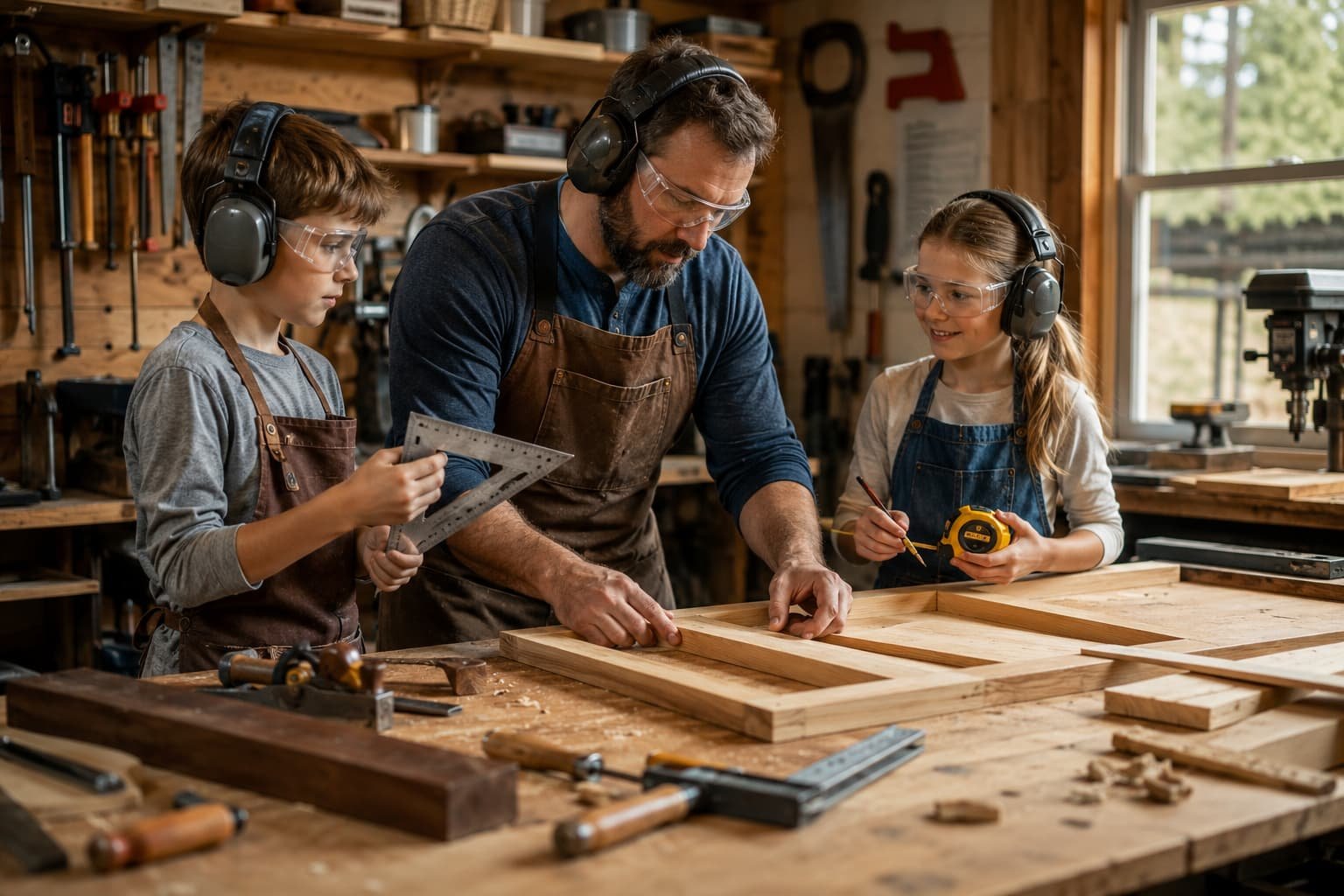
One small thing that helps at this stage: a low-stakes shared activity gives conversation somewhere to land without it feeling forced. A quick game night, working on something together, even just sitting through a show they like anything that puts you in the same space without an agenda. A round of trivia cards on a topic they’re into can do this too; the point isn’t the game itself, it’s that it gives you both something to focus on besides the conversation, which paradoxically makes the conversation easier.
College Age: Connection From a Distance
Once kids move away for college, the connection has to become intentional in a different way. You lose the daily proximity, so the small check-ins that used to happen naturally, in the car, at dinner, have to be replaced with deliberate outreach. The biggest shift here is in the quality of contact, not just the frequency. A generic “how’s it going?” text is easy to answer with one word and move on. Specific, curious questions about a class, a person they mentioned, a decision they’re weighing tend to get real answers. The goal is to stay present in their world without hovering, and to make it clear the door is open without making them feel checked up on.
What Stays the Same Across Every Age
A few things hold true no matter how old your kid is:
- Consistency beats intensity. Small, regular moments of connection do more than rare, big ones. A five-minute daily habit outperforms an occasional deep conversation.
- Curiosity beats control. Kids of every age can tell the difference between a genuinely interested parent and one who’s just gathering information.
- Availability matters more than advice. Especially as they get older, your job shifts from directing to being reliably there.
Making It a Ritual
As the school year gets underway, it’s worth picking one small ritual and sticking with it, such as a weekly device-free dinner, a standing Sunday call for the kid away at school, a regular walk or drive where conversation just happens to come up. It doesn’t need to be elaborate. The value is in the repetition, not the size of the gesture. School reopening resets a lot of things. It’s worth letting it reset your connection with your kids, too, not through one big conversation, but through the small, consistent ones that add up over the course of the year.
Facebook
X Corp
LinkedIn
WhatsApp
Email
Latest Post



August 15, 2026