Hosting a treasure hunt event for kids at home is a fun and easy way to create excitement without needing a big budget or complicated setup. It works well for birthdays, rainy days, playdates, family gatherings, or any time you want to keep children entertained with a game that feels like an adventure. With the right clues, a clear theme, and a simple prize, you can turn your home into a memorable treasure-hunting experience.
Choose a Theme
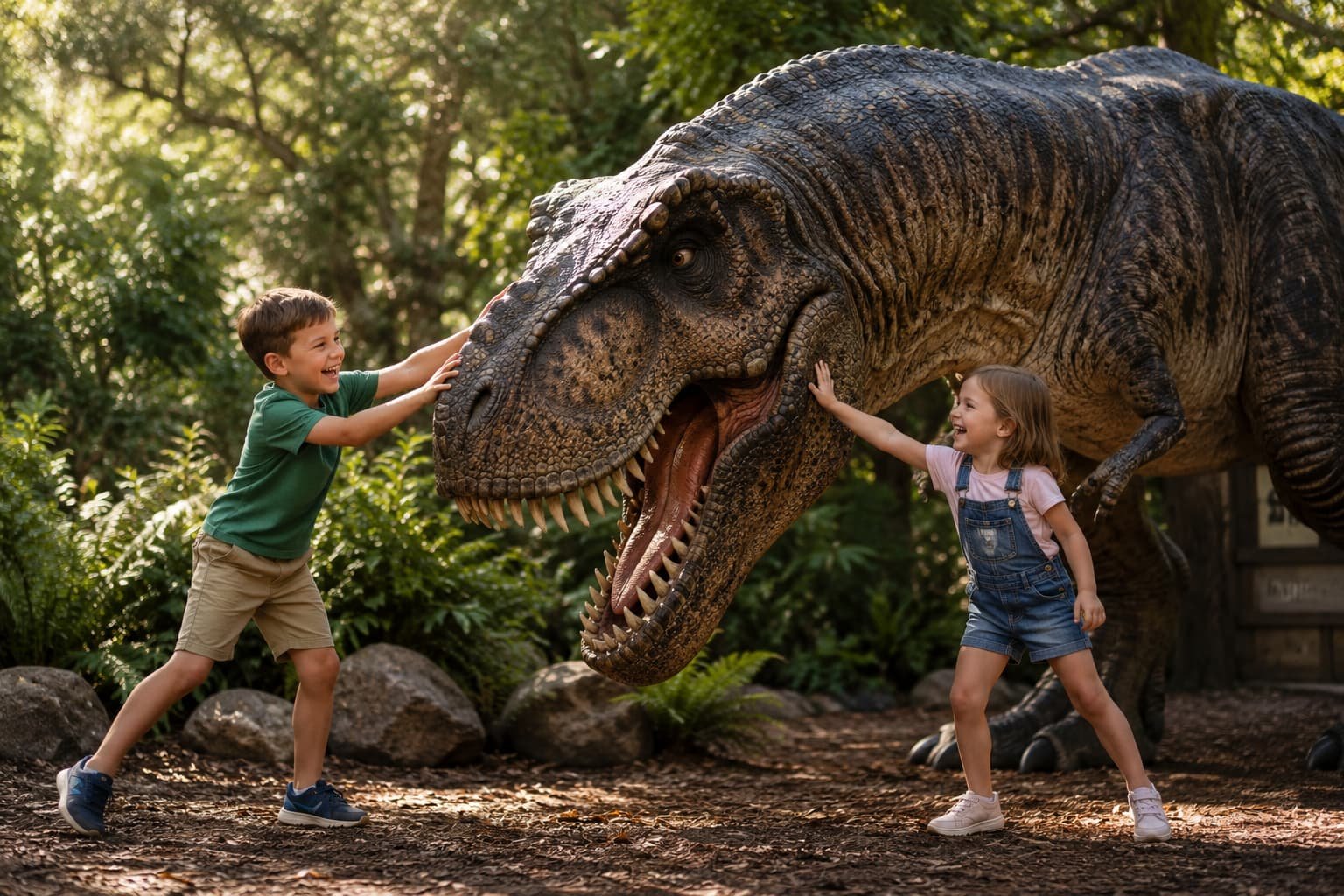
A theme makes the treasure hunt more exciting and helps tie everything together. You might choose pirates, dinosaurs, superheroes, princesses, outer space, or a jungle adventure. The theme can guide your clue style, decorations, and final treasure, making the event feel more immersive and special for the kids.
Set the Hunt Area
Before hiding any clues, decide exactly where the treasure hunt will take place. You can keep it indoors, outdoors, or use both if the weather allows. Common spaces include the living room, kitchen, hallway, backyard, or playroom. It is best to choose safe, familiar areas and avoid rooms or spaces that could cause confusion or pose a risk.
Pick the Treasure
The treasure does not need to be expensive to be exciting. Small toys, stickers, snacks, books, candy, or a special activity coupon all make great prizes. If you are hosting a group of kids, you may want to choose a treasure that can be shared so everyone gets something at the end of the hunt.
Write the Clues
Clues are the heart of any treasure hunt. For younger children, keep them short, simple, and easy to understand. Rhyming clues, picture clues, or very direct hints work well for preschoolers and early readers. For older kids, you can make the clues a little more challenging by using riddles, word games, or simple puzzles. The best clues are fun to solve but not so difficult that children get frustrated.
Hide the Clues
Once your clues are ready, place them in the correct order so each one leads to the next. Start with an easy clue to build excitement and make sure the children understand how the game works. As the hunt continues, you can make the clues slightly more challenging to keep the adventure interesting. It is a good idea to test the route before the event begins so you know everything flows smoothly.
Add Fun Details
Small creative touches can make the treasure hunt feel even more exciting. You could use a map, a costume, themed music, or a short story that explains the mission. You can also add tiny surprises along the way, such as a bonus hint or a small treat, to keep the kids motivated and engaged.
Keep It Age Appropriate
The best treasure hunt is one that matches the children’s age. Younger kids usually do better with fewer clues, simple hiding spots, and lots of visual help. Older kids can enjoy longer hunts with more steps, trickier riddles, and more movement around the house or yard. Adjusting the difficulty helps make sure everyone has fun.
End with a Celebration
When the children find the treasure, make the ending feel special. Cheer them on, take photos, and let them open the prize together. If you want to make the moment even better, give each child a small reward or certificate so everyone feels included and proud of their effort.
Final Tips
A successful treasure hunt at home does not have to be complicated. The most important things are safe spaces, simple instructions, and clues that match the children’s ages. If you keep the event playful and organized, the kids are likely to remember it as a fun and exciting adventure.